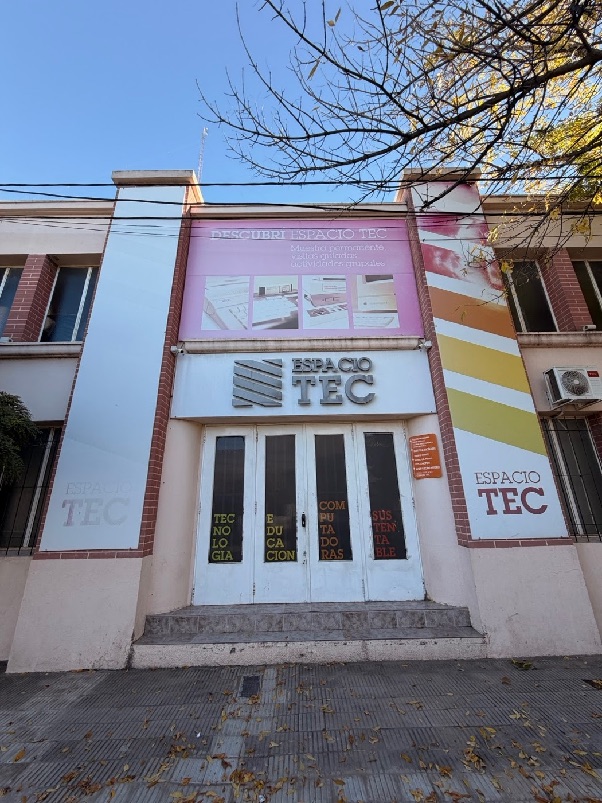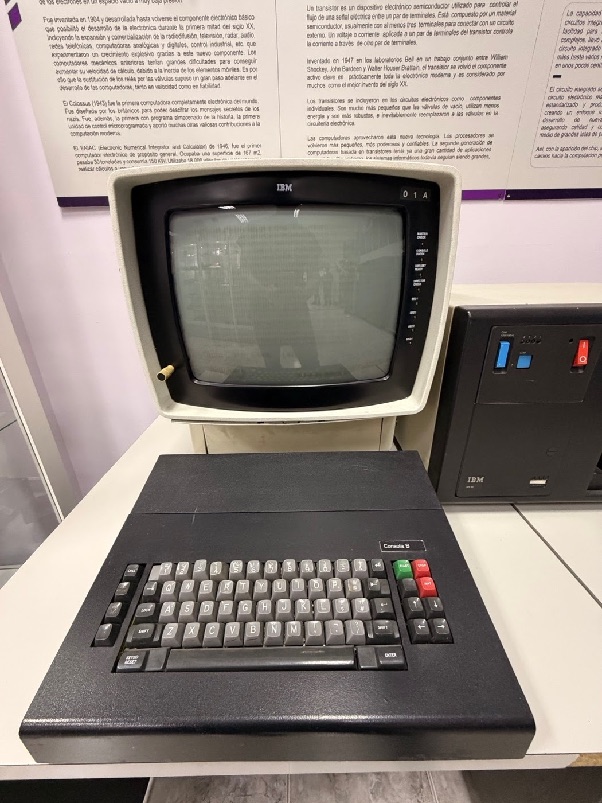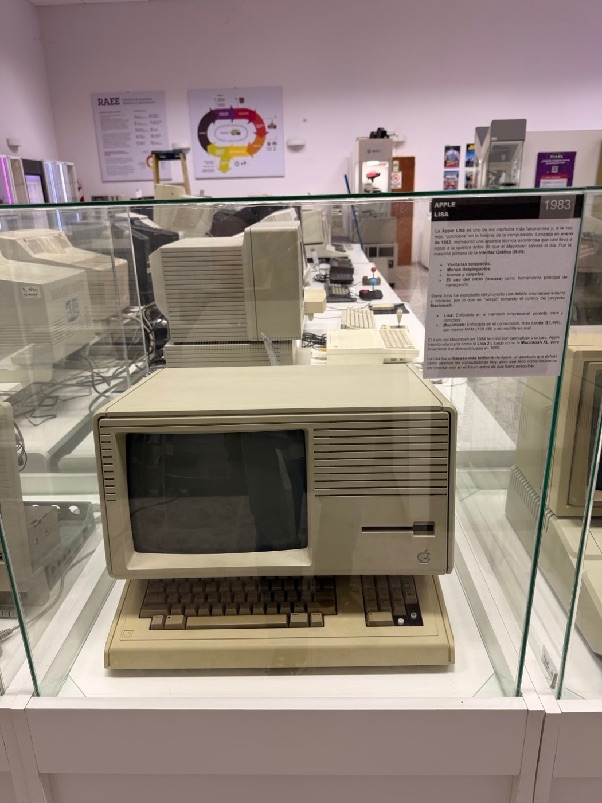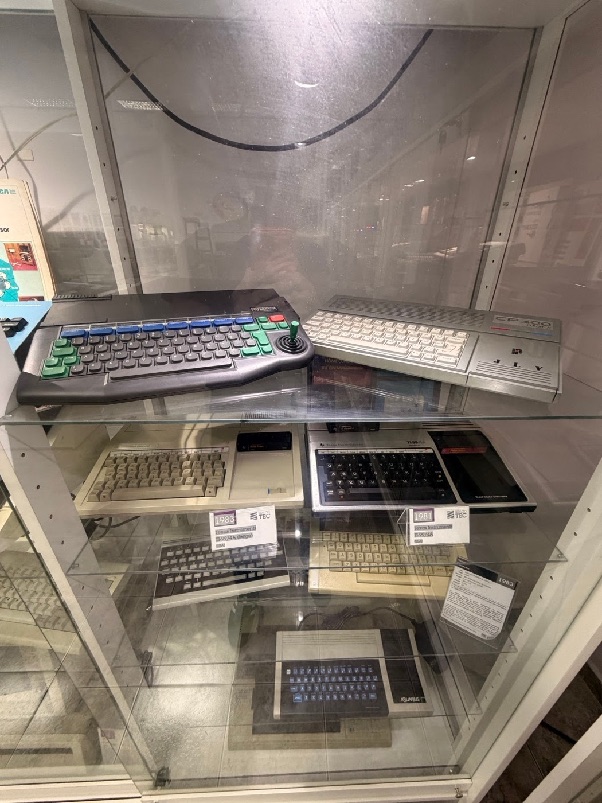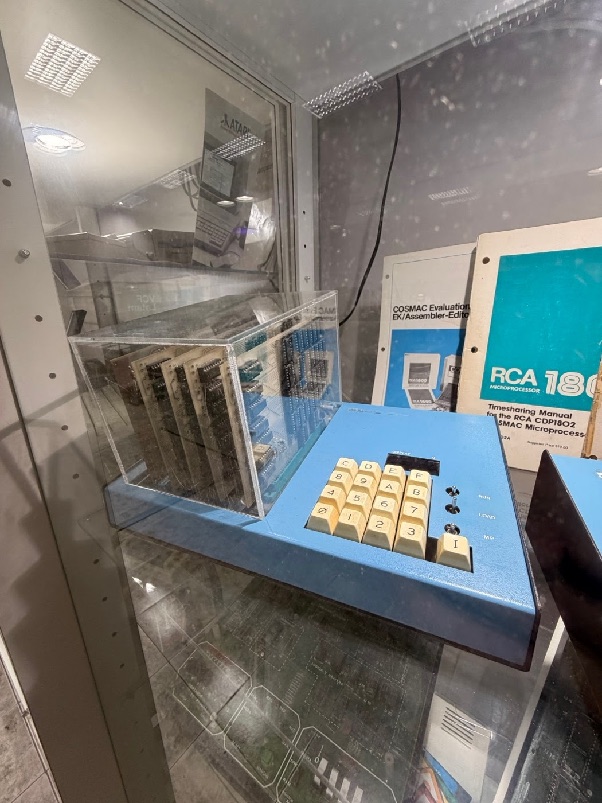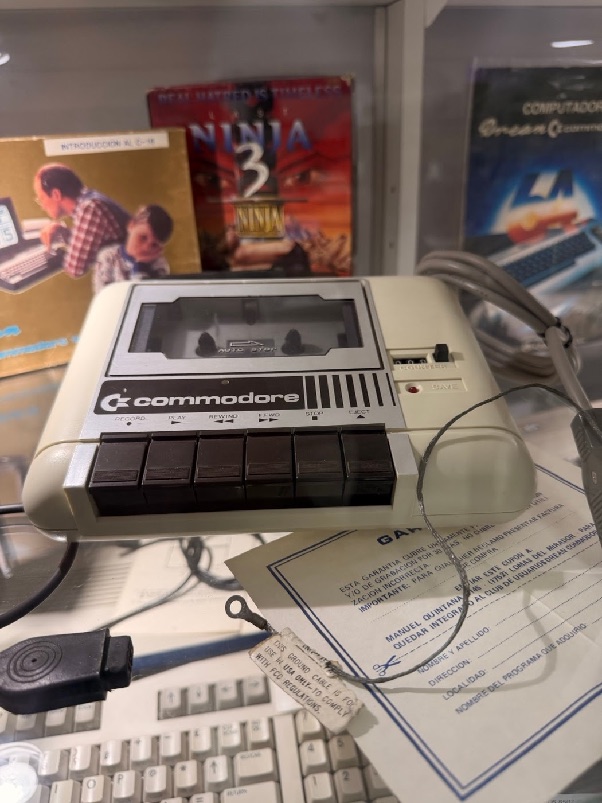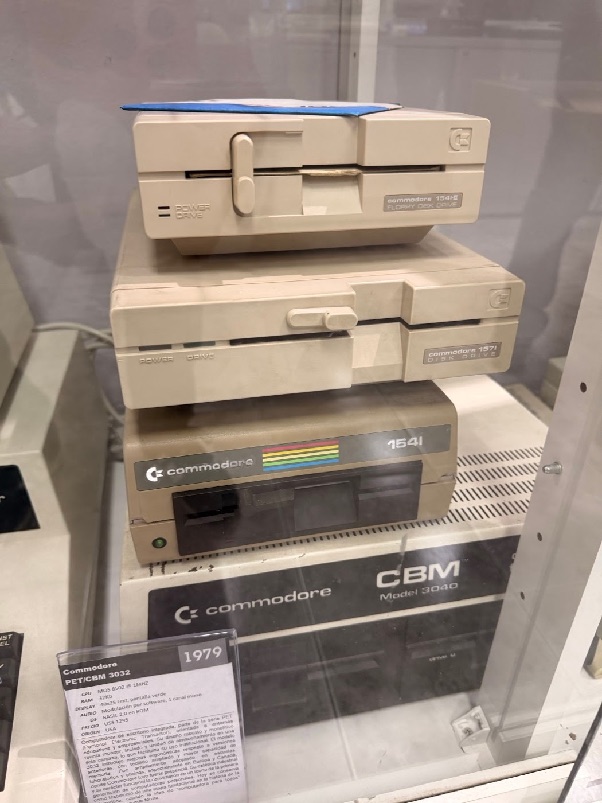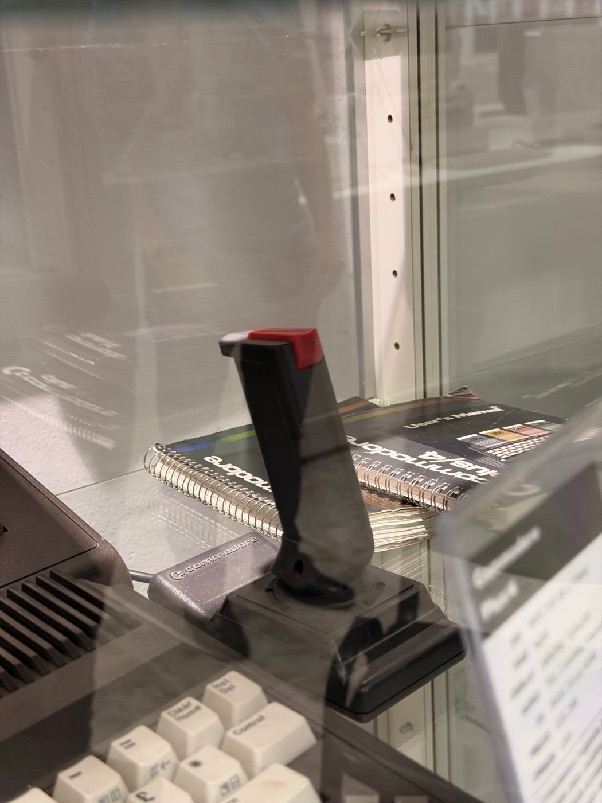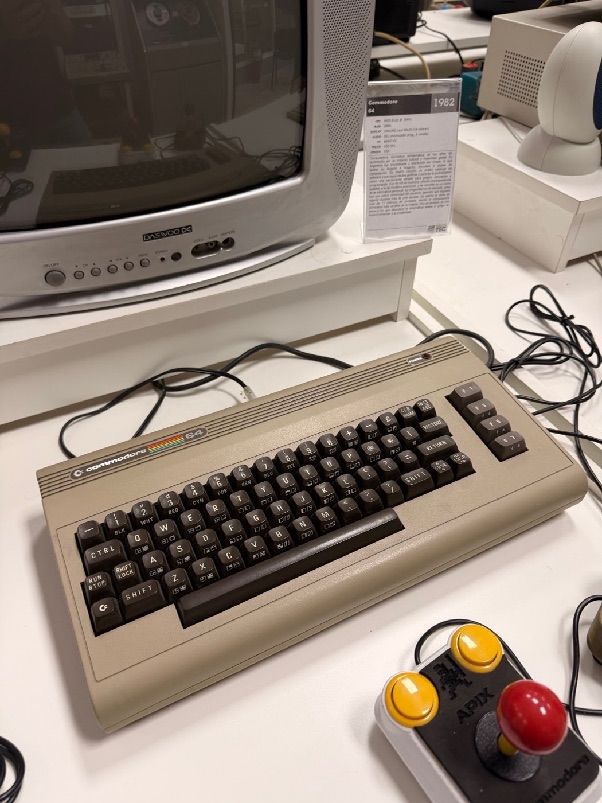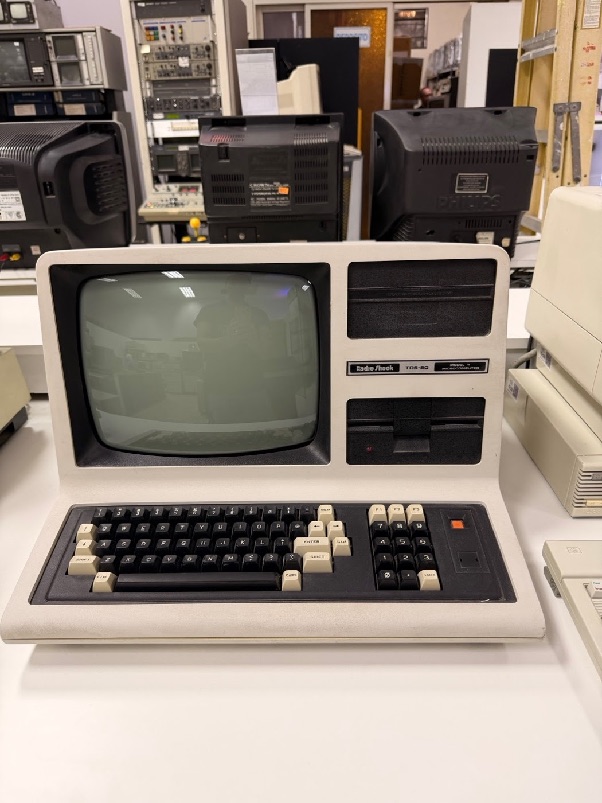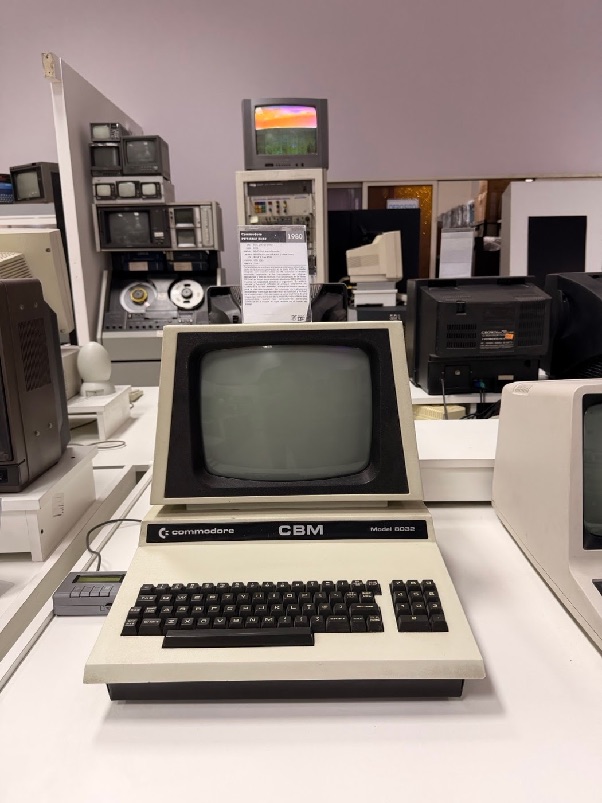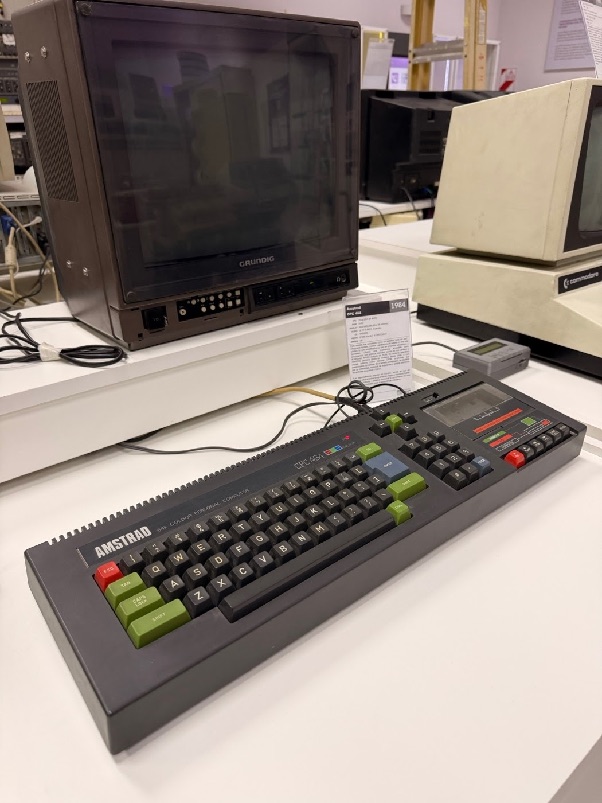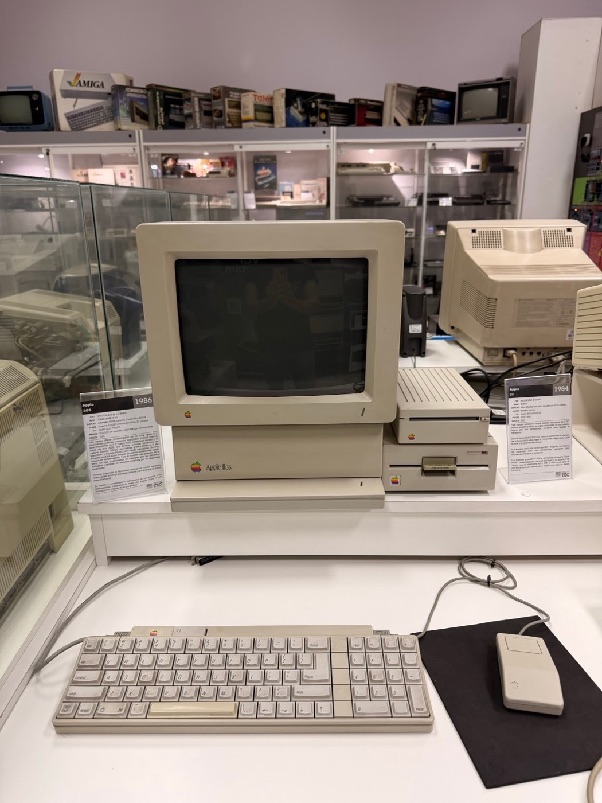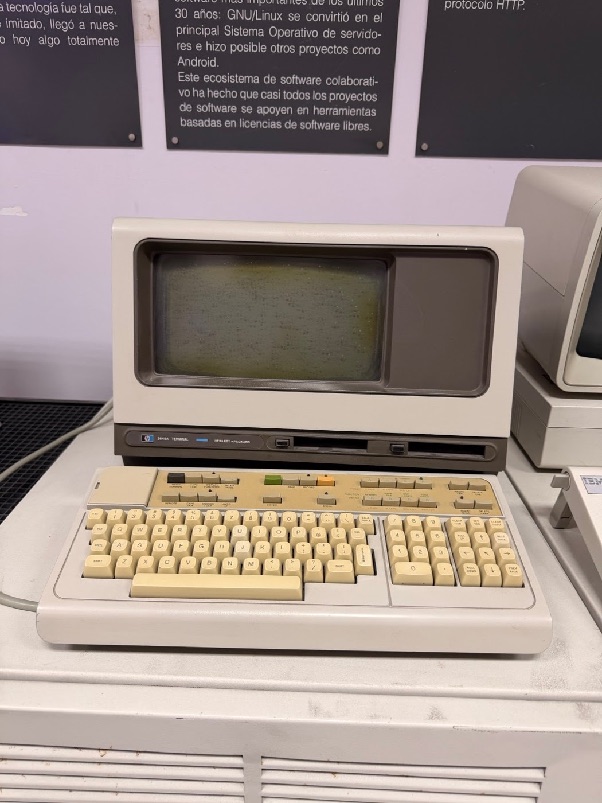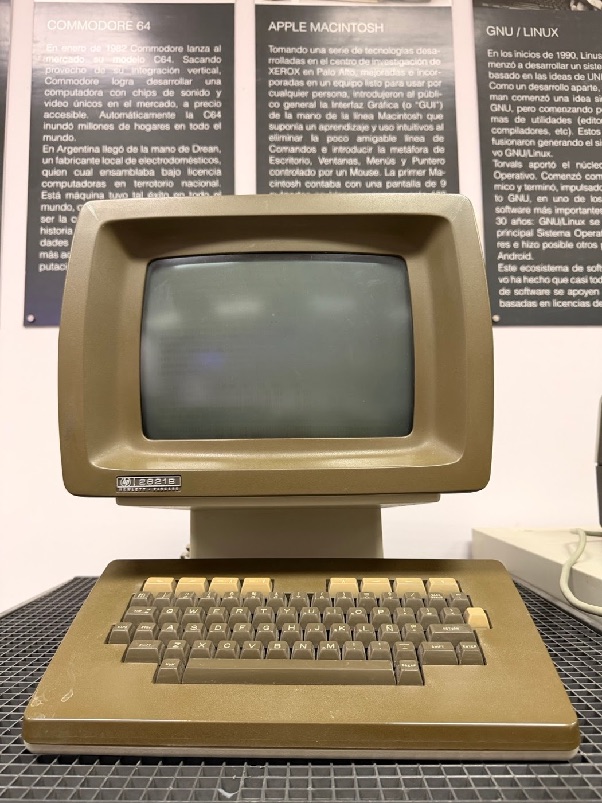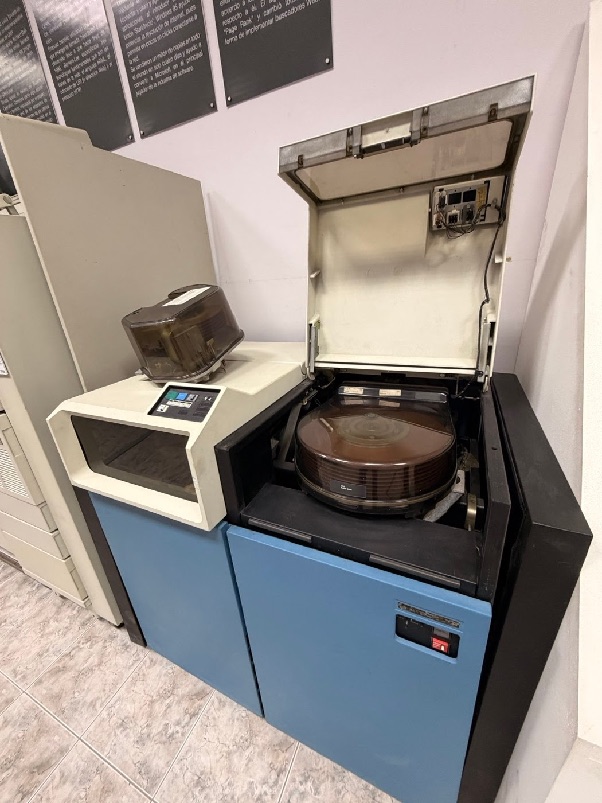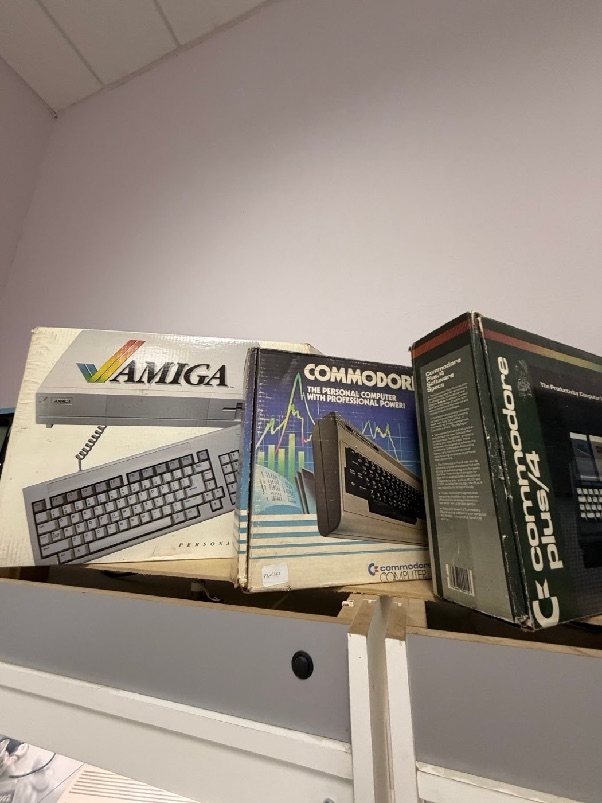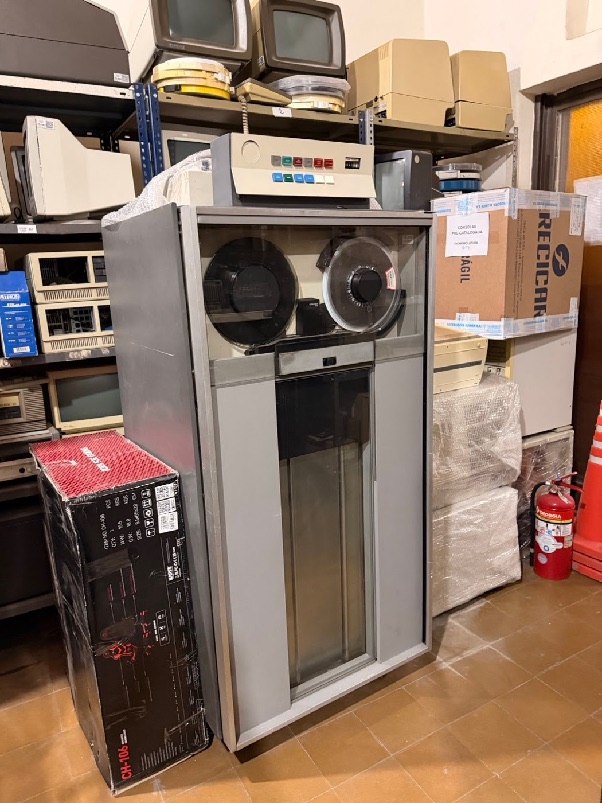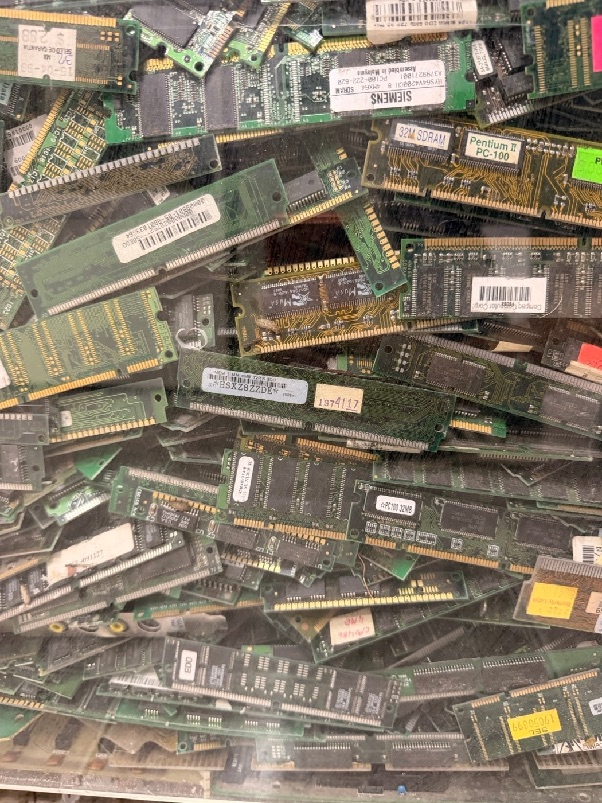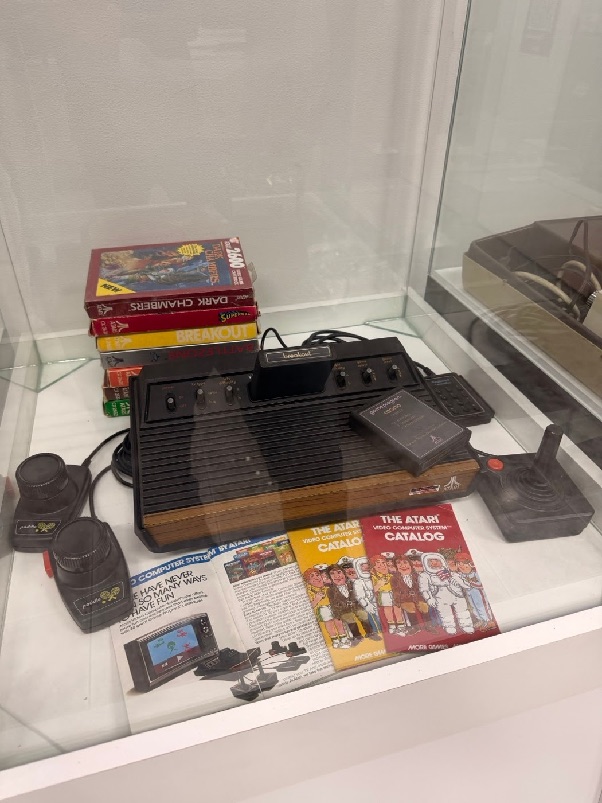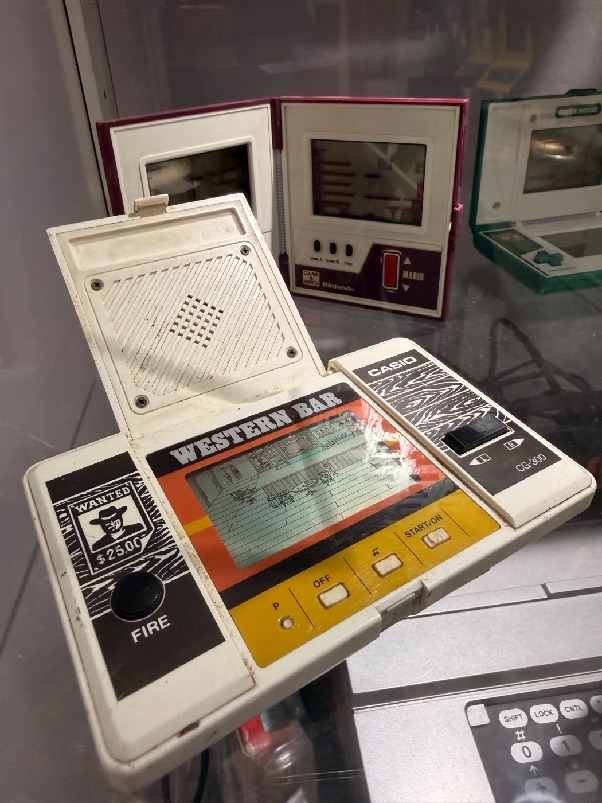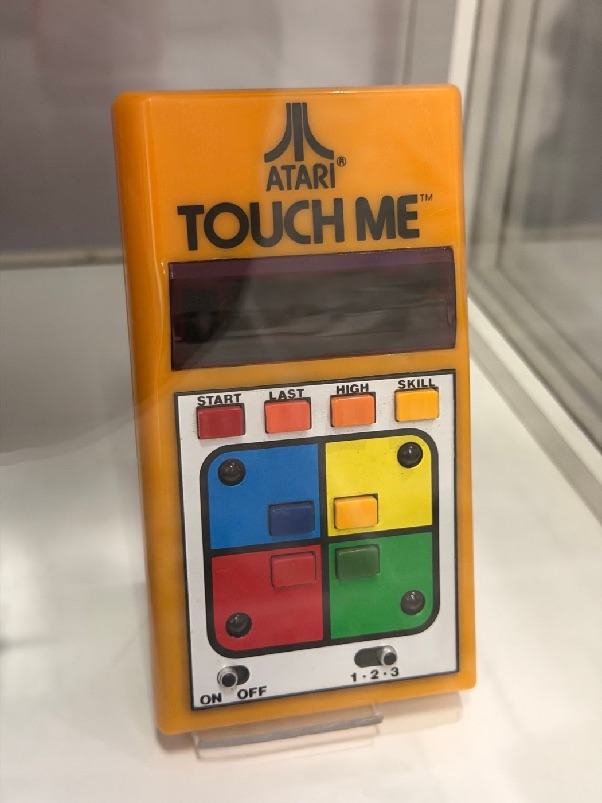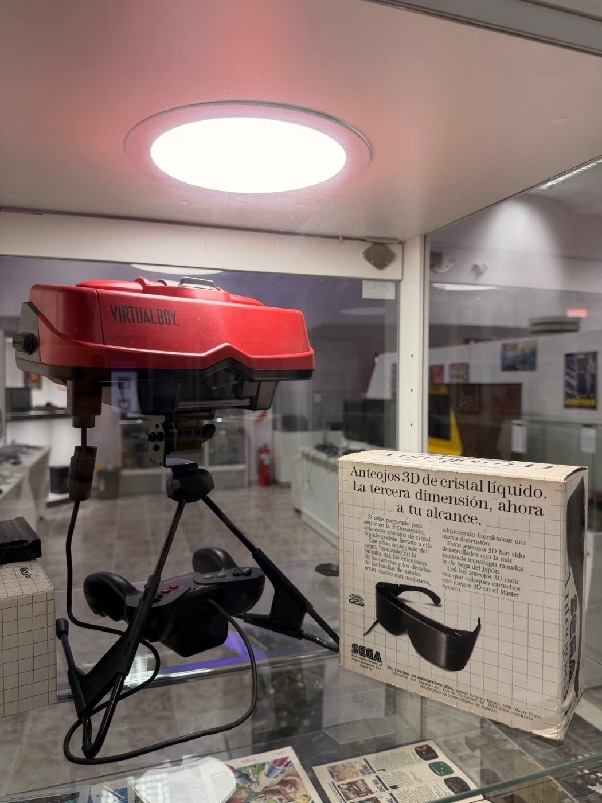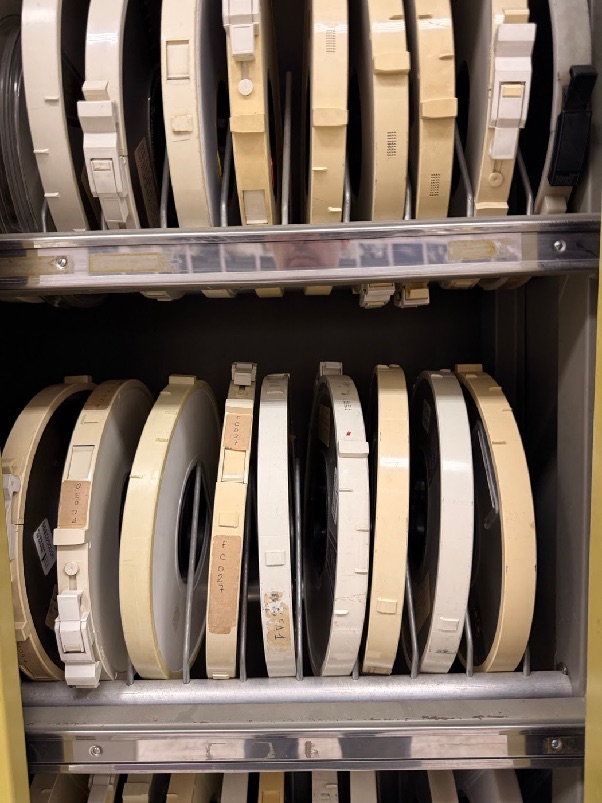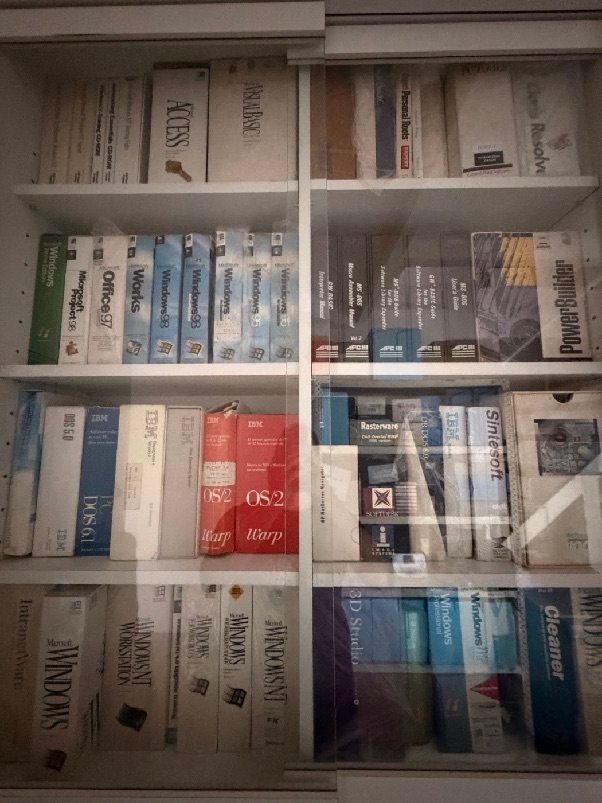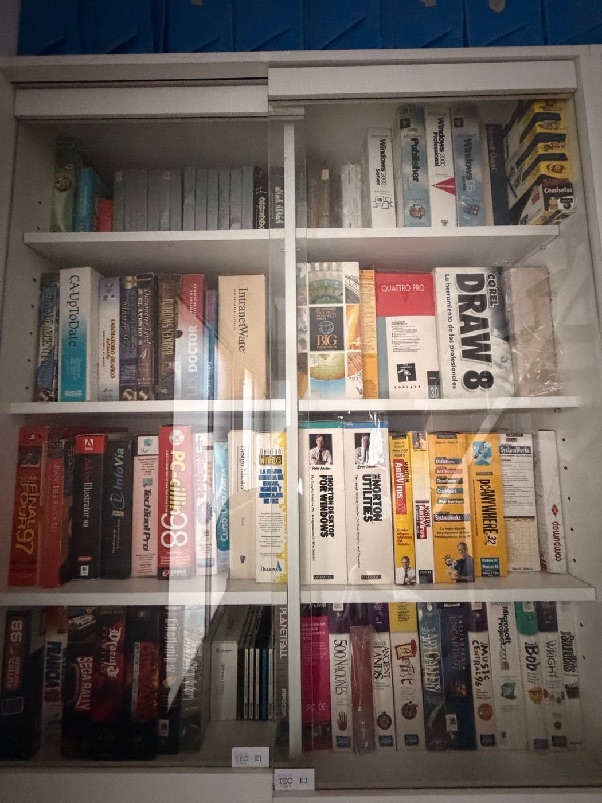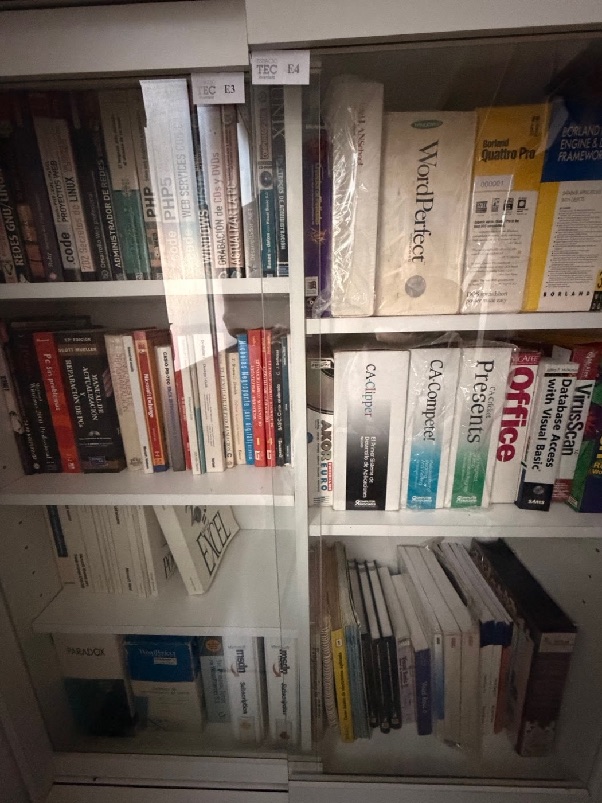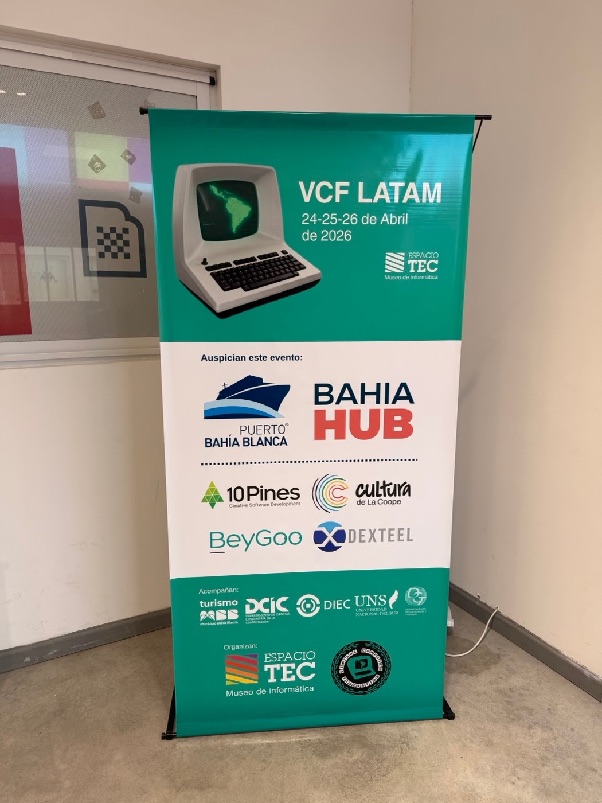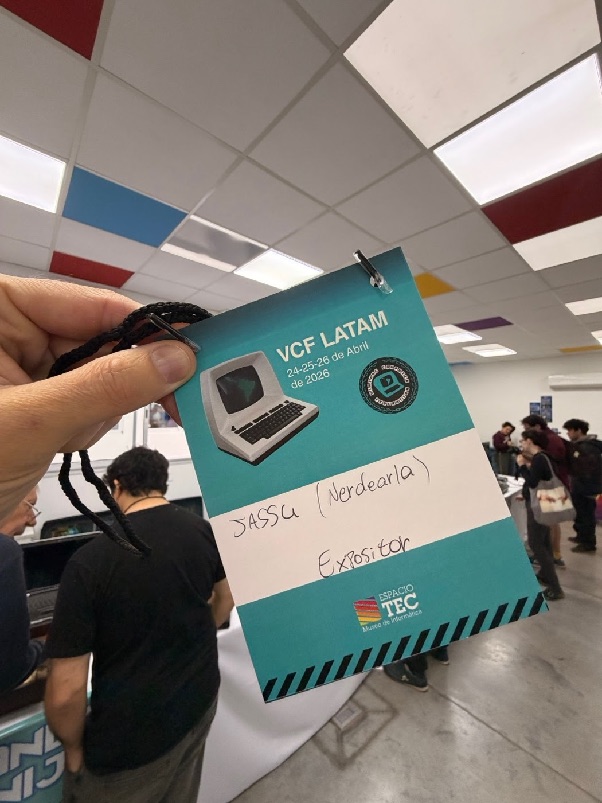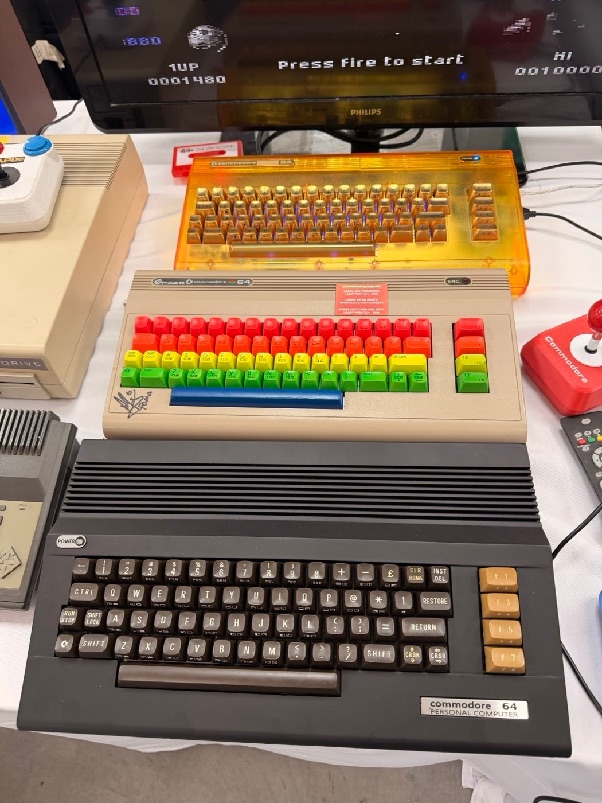
Bahia Blanca hosted the first VCF Latam, the Latin American edition of the Vintage Computer Festival. The starting point was Espacio TEC, at Thompson 665: a museum where computers from several eras coexist, many of them working - Apple Lisa, IBM, Commodores.
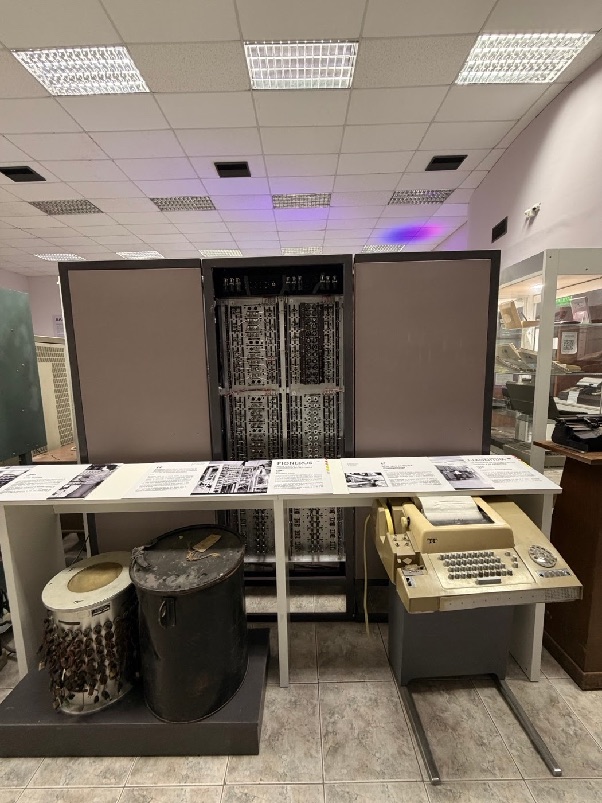
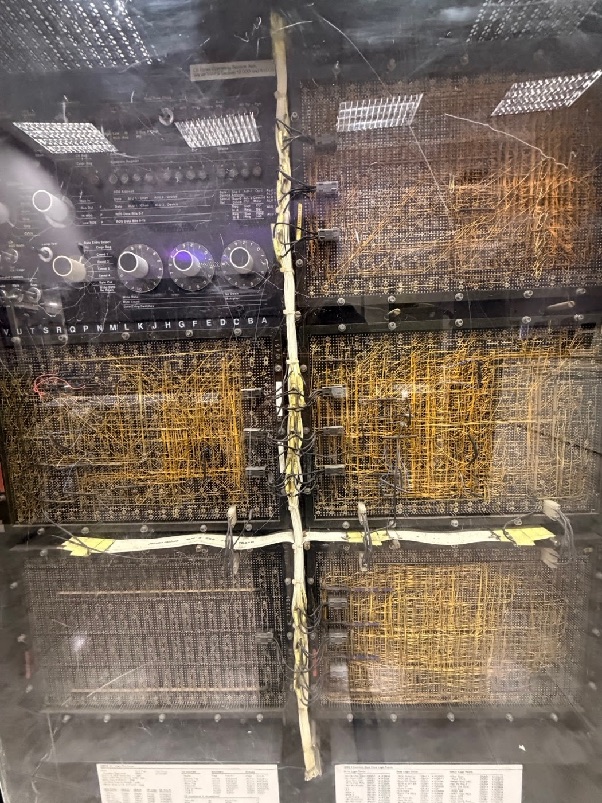
It is also home to Clementina, Argentina's first scientific computer, installed in 1961 at the University of Buenos Aires under Manuel Sadosky's administration. Having the first VCF Latam open with Clementina was no accident: it was a statement of principles about where this story belongs.
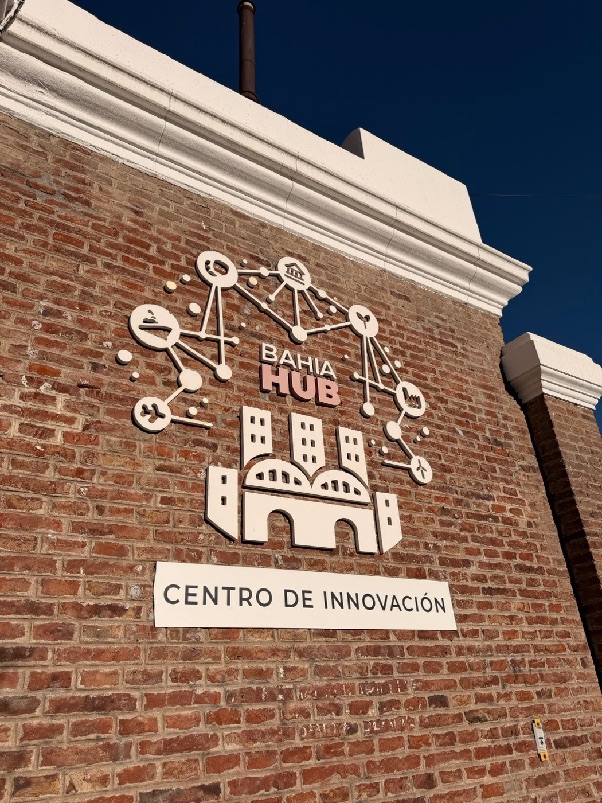
The festival occupied two venues a few blocks apart: Bahia HUB, where the booths, talks and machines on display were located, and Espacio TEC, the Computer Museum.
David Crane
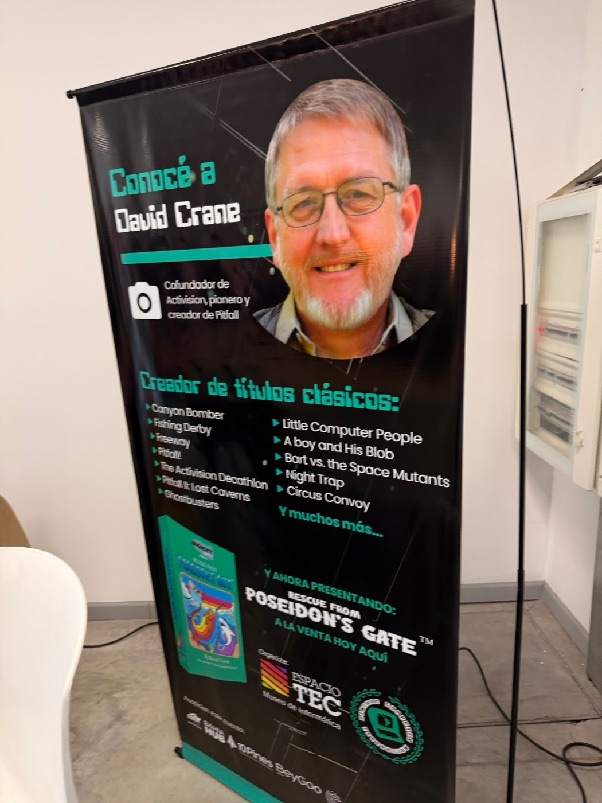
David Crane walked around the festival like everyone else. The co-founder of Activision, the person who fit a jungle, a running character and a physics system into 4 KB on the Atari 2600, was not sitting around waiting for someone to ask for a photo. He toured the booths, talked with makers and asked what each machine did. The philosophy behind Pitfall! is still intact: constraints force creativity. Pitfall! exists because he had to think harder, not because he had more tools. And he is still designing new games - one of them, Rescue from Poseidon's Gate for Atari 2600, he signed at the event.
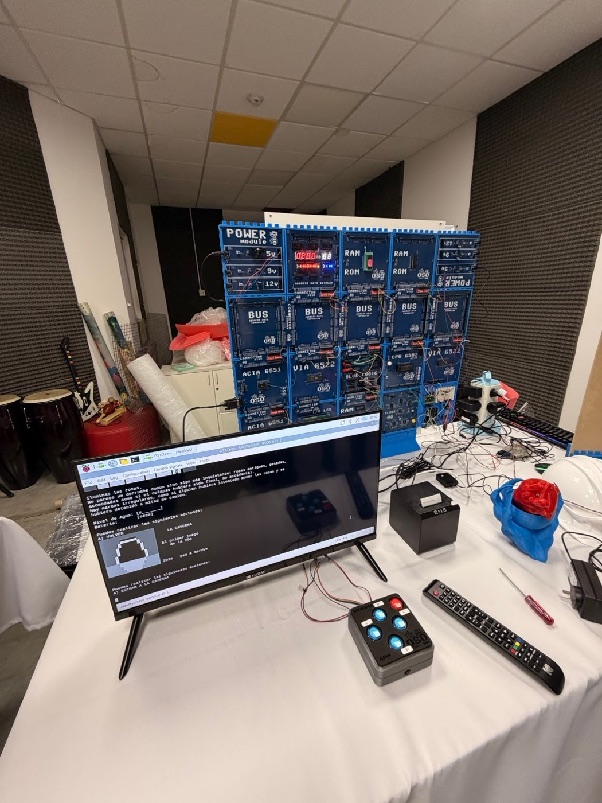
Carlinho Rienzi, from osolabs.tech, brought the C20 - a computer designed and built today, not in the eighties. It was powered on at his table, with the menu running. His talk at Nerdearla about the project explains how to build a computer that can be understood end to end, with today's criteria, without breaking the logic of the machines that inspired it.
Roberto Trillo brought mechanical calculators from the 1800s. Machines that did math before the word "computer" existed. They were operational - crank, gears, paper. History with working buttons.
Hugo Mazer
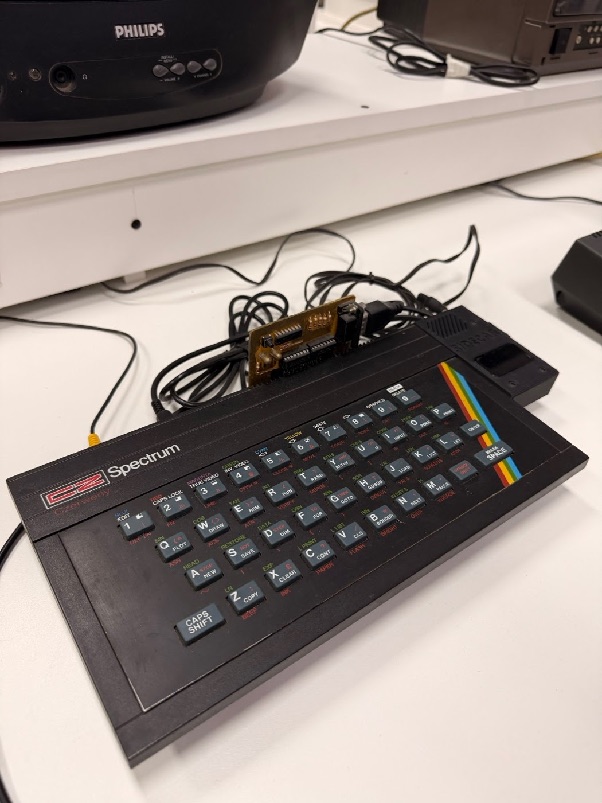
Hugo Mazer built Argentine computers. Not as a manager or curator, but as one of the people who designed and manufactured them. Together with Oscar Crippa, he reactivated Czerweny's electronics division in Parana. The CZ-1000 came out of that work, a computer with a very high degree of nationally produced components. So did the CZ Spectrum, the Argentine clone of the ZX Spectrum, the machine that taught an entire generation to program.
Espacio TEC
The museum is the piece that makes everything else make sense - a room where the machines live, where you can use them, where history is not behind glass. When something breaks, it gets fixed; when something does not work, someone looks up the datasheet and replaces the chip. And it shows: the people who keep it running know what they are doing, and they do it for love.
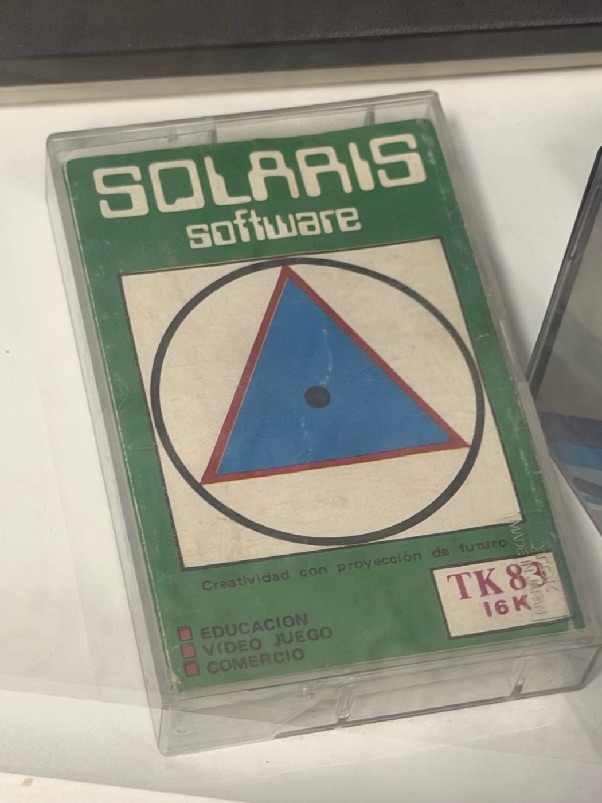
There, Seba Gurvitsch (@soy_gavilan) premiered the first part of Fabricantes, ensambladores, clones, truchos y piratas, his documentary about the hidden history of Argentine computing: clones, unofficial copies, local assembly operations, and the people who kept things alive when official import channels disappeared.
The Community
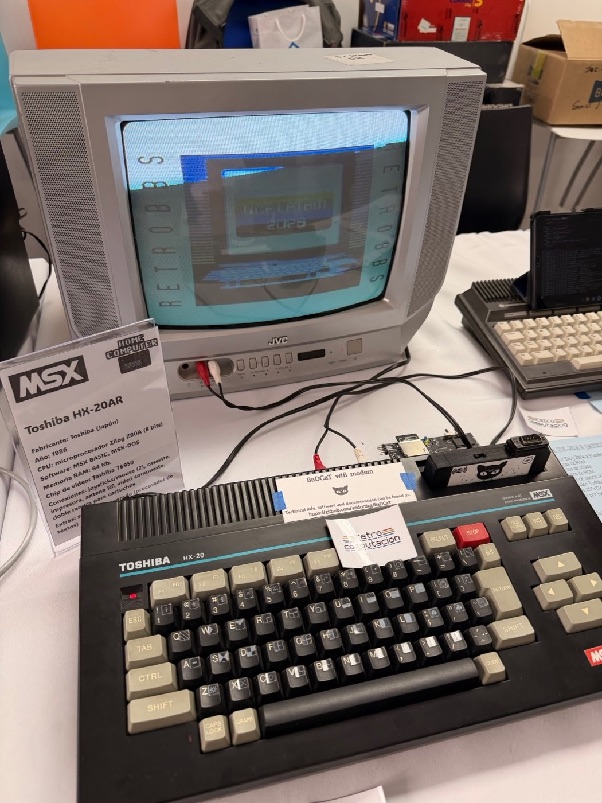
VCF Latam is not a collectors' convention where people price their pieces. Nor is it a museum exhibition. It is closer to a classroom where everyone knows something and shares it: someone brings a working TI-99/4A, someone else brings a FlashROM99, and three tables away someone is explaining why the MSX standard, decades later, still drives a community that continues building machines for it.
VCF Latam 2026 took place in Bahia Blanca, organized by Espacio TEC. More information at vcf.espaciotec.com.ar.
Gallery